
Experiencing a strange, localized tugging in your midsection can be alarming. Many patients ask, “Why does it feel like a string is pulling in my stomach?” The answer is that an abdominal string-pulling sensation is often a primary symptom of a structural issue within the abdominal wall, most commonly a hernia or post-surgical scar tissue.
To understand the root cause of this discomfort, we turn to insights from Dr. Robert Jean and Dr. Darren Hunt of the University Surgical Associates (USA) Hernia Center, who regularly evaluate and treat patients experiencing these exact symptoms.
The Mechanics of a Hernia
When patients report a string-like pulling sensation, the most frequent culprit is a hernia.
A hernia occurs when an internal organ or piece of fatty tissue pushes through a weakened spot in the surrounding muscle or connective tissue. Because the abdominal wall is a dynamic structure that constantly moves and supports the body, any defect in this tissue can cause noticeable discomfort.
Why Do I Feel Tugging and Pulling in My Stomach?
Hernia symptoms often include a dragging, heavy, or pulling sensation in the abdomen or groin, which tends to worsen after prolonged standing or physical exertion. Some hernias are completely asymptomatic and are only discovered by a doctor during a routine physical examination. However, when symptoms are present, they should not be ignored.
If left untreated, a hernia can become strangulated, a life-threatening condition where the blood supply to the trapped tissue is completely cut off.
“Most people don’t think of their abdominal wall as really a key piece to their anatomy until it causes a problem… it is a dynamic structure that does need fixation sometimes.”
– Dr. Robert Jean
Surgical Mesh and the “Pulling” Sensation
If you have previously undergone abdominal surgery, the string-like pulling feeling might be related to your body’s healing process.
Surgeons perform more than one million hernia repair surgeries annually in the United States. During many of these procedures, doctors implant surgical mesh, a medical device used to provide additional support to weakened or damaged tissue.
Most modern surgical hernia meshes are constructed from non-absorbable synthetic materials, such as monofilament polypropylene. Dr. Hunt explains that this mesh is made of interwoven, suture-like material designed to create a reaction in the body. It forms a scaffold that encourages scar tissue to grow and reinforce the repair. As this scar tissue forms and contracts over the mesh, it can sometimes create a tight, pulling sensation in the stomach.
The Role of Abdominal Adhesions
Hernias can feel like a pulling sensation, but they aren’t the only cause. Even if you haven’t had a hernia repair, any prior abdominal surgery can lead to adhesions. Abdominal adhesions are bands of internal scar tissue that develop in 70% to 90% of patients following abdominal surgery.
These adhesions can bind internal organs together or attach them to the inner abdominal wall. When you move, stretch, or digest food, these fibrous bands can tug on your internal structures, perfectly mimicking the feeling of a string pulling tightly inside your stomach.
Open vs. Laparoscopic Surgery
The method of your previous surgery can influence the likelihood of developing abdominal string-pulling sensations:
- Open Surgery: Involves a single, larger incision and has a higher rate of adhesion formation, causing many patients to feel a tugging and pulling sensation in the stomach.
- Laparoscopic Surgery: A minimally invasive technique where surgeons operate through a few small incisions rather than a single large cut. This approach generally results in less scarring and fewer severe adhesions.
Getting the Right Diagnosis
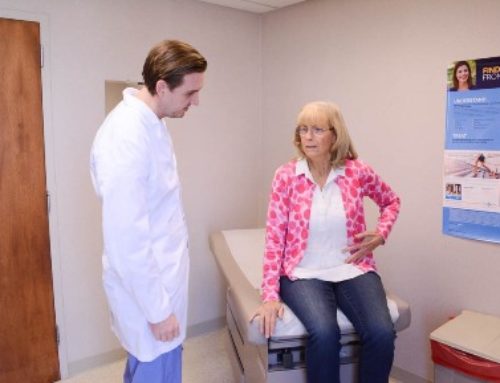
If you suspect you have a hernia or are struggling with a persistent pulling sensation, seeking expert evaluation is crucial. The diagnostic process is usually straightforward.
- Physical Examination: According to Dr. Hunt, nine times out of ten, a hernia can be accurately diagnosed through a basic in-office physical exam.
- Medical History: Your doctor will review your history of previous surgeries to rule out or confirm adhesions.
- Imaging: While not always necessary for a basic diagnosis, surgeons may order in-depth imaging (like a CT scan) to tailor a specific surgical plan to your unique anatomy.
Hernia Types and Prevalence
The location of your pulling sensation can indicate what type of hernia you might have.
Below is a breakdown of common hernia types:
| Hernia Type | Location | Key Fact |
|---|---|---|
| Inguinal | Inner groin | The most common type of hernia, with approximately 90% of repairs performed on men. |
| Ventral | Midline of the abdomen | Occurs along the abdominal wall line, often caused by increased intra-abdominal pressure. |
| Incisional | Site of a surgical incision | Develops when scar tissue from a previous surgery weakens over time. |
| Umbilical | Near the belly button | Common in infants but can affect adults due to pregnancy, obesity, or chronic straining. |
Conclusion: Does a Hernia Feel Like a Pulling Sensation?
A sensation that feels like a string pulling in your stomach is a clear signal from your body’s dynamic abdominal wall.
Whether it is a new hernia forming, integration of surgical mesh from a past repair, or internal adhesions, these symptoms warrant professional medical attention.
By consulting with specialists who see these conditions daily, you can determine the exact cause of the pulling and find the appropriate treatment to restore your core’s comfort and function.


















Leave A Comment