
A hernia occurs when an internal organ or fatty tissue pushes through a weakened spot or defect in the surrounding muscle or connective tissue. If you have recently noticed a suspicious bulge or felt a dull ache, understanding how to manage this condition is crucial.
While a hernia cannot heal on its own, knowing what makes a hernia worse is the first step toward managing it. By identifying these triggers, you can take active steps to stop hernia from progressing and avoid dangerous emergency complications.
Understanding Your Hernia Diagnosis
The abdominal wall is a dynamic structure that provides critical core stability. When a hernia develops, it is a physical, structural tear or defect in this muscle wall.
Hernias are incredibly common, affecting approximately 25% to 27% of men at some point in their lifetime (particularly inguinal hernias). Because a hernia is a mechanical defect, it cannot heal naturally. Without intervention, the natural tendency for an adult hernia is progressive growth as the gap in the abdominal wall gradually widens over time. While you cannot cure the defect yourself, understanding proper management and lifestyle adjustments can help you stop hernia from progressing as rapidly.
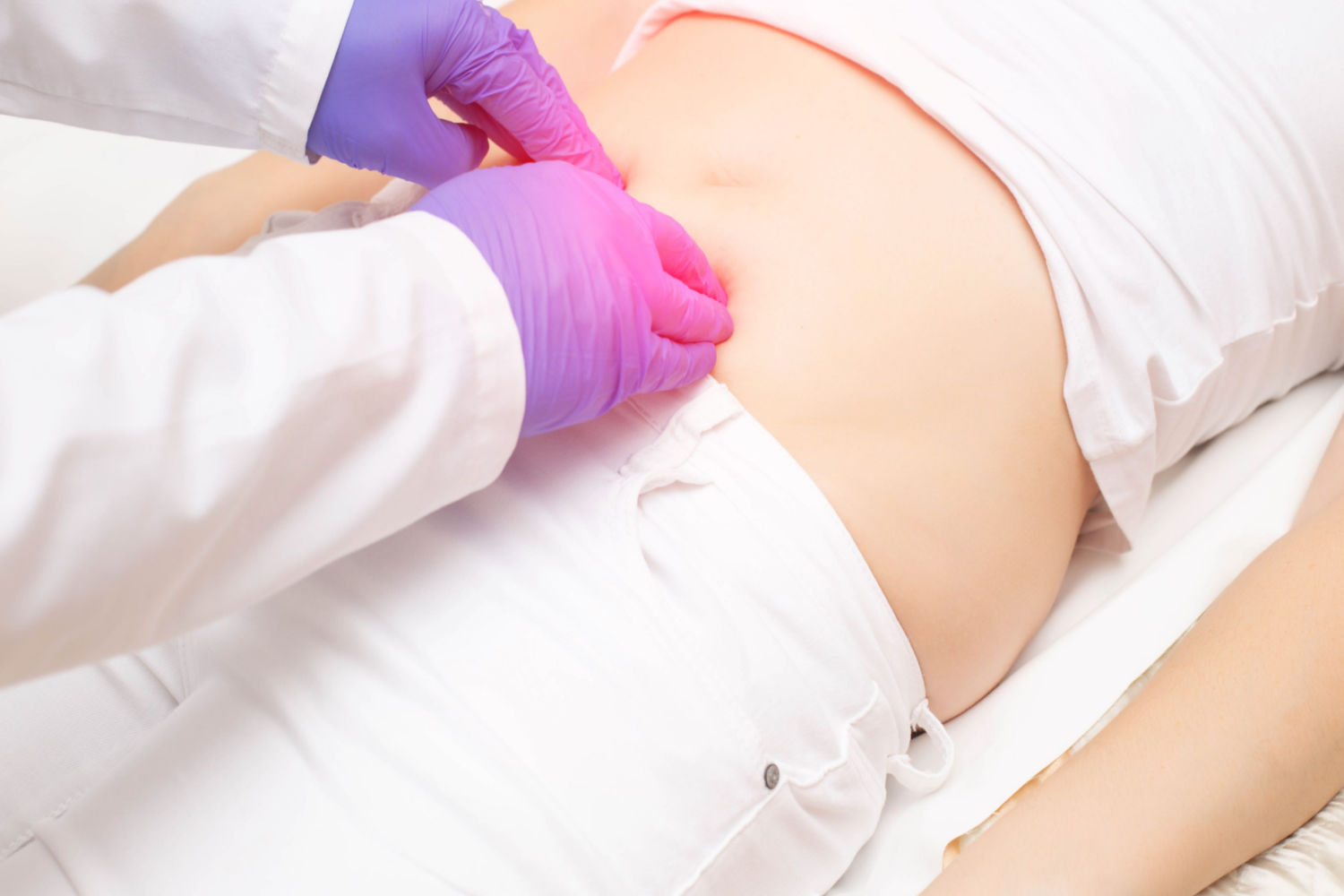
Diagnosing a hernia rarely requires extensive testing. In most cases, a basic physical exam by an experienced specialist is enough to confirm its presence. However, patient body habitus can affect the assessment, and for complex surgical planning, doctors may order in-depth imaging to tailor the repair.
What Makes a Hernia Worse?
The primary mechanism behind what makes a hernia worse is anything that increases intra-abdominal pressure. When pressure inside the belly rises, it forces more tissue through the existing tear, widening the defect and increasing pain.
Key factors that accelerate hernia progression include:
- Heavy Lifting: Lifting heavy weights or objects without proper form causes a massive spike in intra-abdominal pressure.
- Chronic Coughing: Persistent coughing from smoking, allergies, illnesses, or COPD creates repetitive, violent stress on the abdominal muscles.
- Straining During Bowel Movements: Chronic constipation forces individuals to bear down, dramatically increasing pressure against the weakened abdominal wall.
- Excess Body Weight: Obesity adds constant mechanical stress and extra weight to the abdomen, continuously stretching and weakening the muscles.
- Smoking: Beyond causing a chronic “smoker’s cough,” nicotine restricts blood flow and impairs collagen synthesis, which fundamentally weakens the body’s connective tissues and fascia.
Daily Activities and Hernia Risk
To safely navigate daily life, it helps to categorize activities by their impact on abdominal pressure:
| Activity / Condition | Impact on Abdominal Pressure | Risk of Worsening Hernia |
|---|---|---|
| Heavy Weightlifting / Deadlifts | Severe Increase | High Risk |
| Chronic Constipation | Moderate to Severe Increase | High Risk |
| Untreated Asthma / COPD | Repetitive Spikes | Moderate to High Risk |
| Walking / Light Swimming | Minimal Increase | Low Risk |
Lifestyle Changes to Slow Hernia Progression
While you cannot cure a hernia without surgery, you can take conservative measures to minimize intra-abdominal pressure and slow down the growth of the defect:
- Practice Safe Lifting: Avoid heavy lifting whenever possible. When you must lift objects, bend from your knees instead of your waist to prevent unnecessary strain on the abdomen and groin.
- Eat a High-Fiber Diet: Consuming a diet rich in fiber and staying properly hydrated helps prevent constipation, reducing the need to strain.
- Maintain a Healthy Weight: Losing excess weight reduces the constant pressure on your abdominal wall. A multidisciplinary approach involving dietary specialists can assist with weight management.
- Quit Smoking: Eliminating smoking removes the repetitive, violent spikes in pressure caused by chronic coughing and protects your tissue quality.
The Dangers of Ignoring an Enlarging Hernia
Delaying evaluation can lead to severe, life-threatening medical consequences. If a hernia is allowed to worsen unchecked, patients risk incarceration, which occurs when the herniated tissue becomes permanently trapped outside the muscle wall and cannot be massaged back into place.
If the blood supply to this trapped tissue is cut off, it results in a strangulated hernia. This is a critical emergency requiring immediate surgery.
| Hernia Status | Common Symptoms | Recommended Action |
|---|---|---|
| Reducible | Visible bulge that can be pushed back in; mild ache during activity. | Schedule a consultation; practice lifestyle management to slow progression. |
| Incarcerated | Bulge that cannot be pushed back in; increasing, persistent discomfort. | Seek prompt medical attention to prevent further complications. |
| Strangulated | Severe pain, nausea, vomiting, fever, or skin discoloration over the bulge. | Go to the emergency room immediately for urgent surgical care. |
Steps to Take and Surgical Options
If you notice your hernia enlarging or becoming more painful, follow these steps to protect yourself:
- Stop Aggravating Activities: Immediately cease heavy lifting, intense core exercises, and any physical activity that spikes abdominal pressure.
- Manage Underlying Symptoms: Address the root causes of straining, such as taking medications for a chronic cough or increasing dietary fiber.
- Schedule a Specialist Consultation: Seek an evaluation from a dedicated hernia center to discuss permanent repair options.
Permanent Fixation and Surgical Mesh
Because the abdominal wall is a dynamic structure, it eventually requires mechanical fixation. Hernia repair is one of the most frequently performed surgical procedures globally, with an estimated 20 million operations taking place worldwide each year (including roughly 800,000 in the United States).
During a consultation, your surgeon will evaluate whether you are a candidate for surgical mesh. Mesh is an implant made of interwoven, suture-like material that acts as a scaffold. This allows your body’s scar tissue to form over it, reinforcing the repair far more effectively than standard sutures alone.
“I like to tell patients about their abdominal wall being a dynamic structure that does need fixation sometimes, and that also may need multiple fixations down the road depending on the quality of their tissues. Sometimes patients are ideal candidates for hernia repairs, or sometimes they have a very complicated abdominal wall, and so we have to engage other disciplines—that can be dietary, it can be plastic surgery, it can also be pain management.” — Dr. Darren Hunt, USA Hernia Center
Facilities like the USA Hernia Center provide comprehensive evaluations to tailor a treatment plan specific to your unique anatomy, lifestyle, and health needs.










Leave A Comment