
A hernia can happen to anyone at any time – and it can’t heal without effective treatment. Simply put, a hernia is a hole that occurs because of a natural weakness in the muscles that cover your internal organs inside your abdomen. Reports estimate the more than 20 million hernias are treated worldwide every year.
When it comes to effective hernia repair, surgical mesh is almost always part of the treatment. But if you’ve seen the television commercials and heard the negative news about surgical, you may find yourself asking, is hernia surgery dangerous? it’s a common question and concern for people need hernia repair. Dr. Robert Jean, general surgeon at University Surgical Associates’ Hernia Center, shares how he talks with patients about this often-misunderstood approach to hernia repair and why it’s vital to effective treatment.
“Due in part to the pervasiveness of TV commercials that have warned of the dangers associated with surgical mesh, nearly every patient I see is hesitant to use this approach,” says Dr. Jean. “But using surgical mesh in hernia repair is the highest standard of care. It’s used as a reinforcement to provide strength to the repair and has been shown to produce better long-term results and decrease the risk of the hernia returning.”
Is Hernia Surgery Dangerous?
Hernia surgery is generally considered a very safe and routine procedure. Most patients experience successful outcomes with a low risk of serious complications. Like all surgeries, it does carry some risks, including infection, bleeding, anesthesia reactions, and recurrence of the hernia.
The procedure becomes more urgent and complex if a hernia is left untreated and develops complications such as incarceration (trapped tissue) or strangulation (loss of blood supply), which require emergency surgery.
Overall, for most patients, the benefits of repairing a hernia outweigh the risks, especially when performed electively rather than in an emergency setting.
What Is Surgical Mesh for Hernia Repair?
Surgical mesh is a medical device used to reinforce weakened tissue during hernia repair. It strengthens the abdominal wall and supports healing by reducing tension on the repaired area. As the body heals, tissue grows into the mesh to create a stronger repair.
Mesh may be made from synthetic materials or biologic tissue and is commonly used because it reduces the risk of hernia recurrence.
Is Hernia Mesh Safe?
Hernia mesh is considered safe and effective for most patients and is commonly used as the standard method of hernia repair. It works by reinforcing weakened abdominal tissue, acting as a scaffold that supports healing and reduces the chance of the hernia returning.
Most modern hernia repairs use mesh because it has been shown to significantly lower recurrence rates compared to stitches alone.
While generally safe, potential risks include infection, chronic pain, adhesions, and rare complications such as mesh migration or obstruction.
Recovery from Hernia Surgery With Mesh
Recovery from hernia surgery with mesh typically takes 4 to 6 weeks for most daily activities. While many patients begin walking and performing light tasks within the first few days, full recovery depends on gradual tissue healing and individual factors such as overall health and the type of hernia repair.
Is Hernia Mesh Safe? Understanding the Risks
One of the most common questions patients ask is, is hernia mesh safe? There have been a number of lawsuits about the misuse of surgical mesh and the complications that can occur when it’s used improperly. The major complications include severe pain, serious infections around the mesh, mesh adherence to internal organs (called erosion), and bowel obstruction. But thanks to improved surgical techniques and product design, these risks are steadily decreasing.
“Any product that’s placed inside the body has associated risks, but the benefits greatly outweigh those risks in most situations. In recent years, surgical mesh manufacturers have taken flawed products off the market and developed different materials or coatings designed to prevent erosion,” explains Dr. Jean. “Surgeons are also implementing different surgical approaches and keeping mesh away from a patient’s intestines and bladder, further reducing the risk of complications.”
For patients who have a predisposition to infection, there are a few types of mesh that offer a higher degree of infection resistance. Your surgeon should talk with you about whether these products are necessary for your individual medical condition. Although increasingly rare, effectively treating most infections can be as simple as using antibiotics or drains. Only in the most severe cases is corrective surgery required.
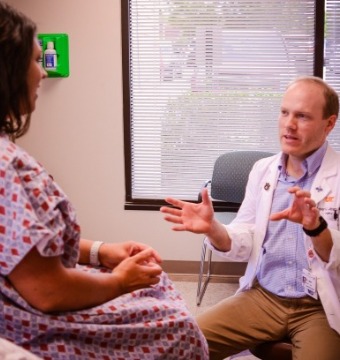
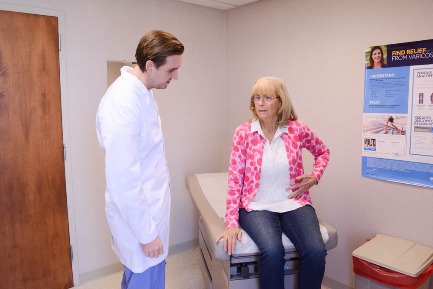
Building Relationships – Dr. Robert Jean, general surgeon with University Surgical Associates, takes time with each patient to share his professional approach, address concerns and answer any questions patients may have about an upcoming surgical procedure.
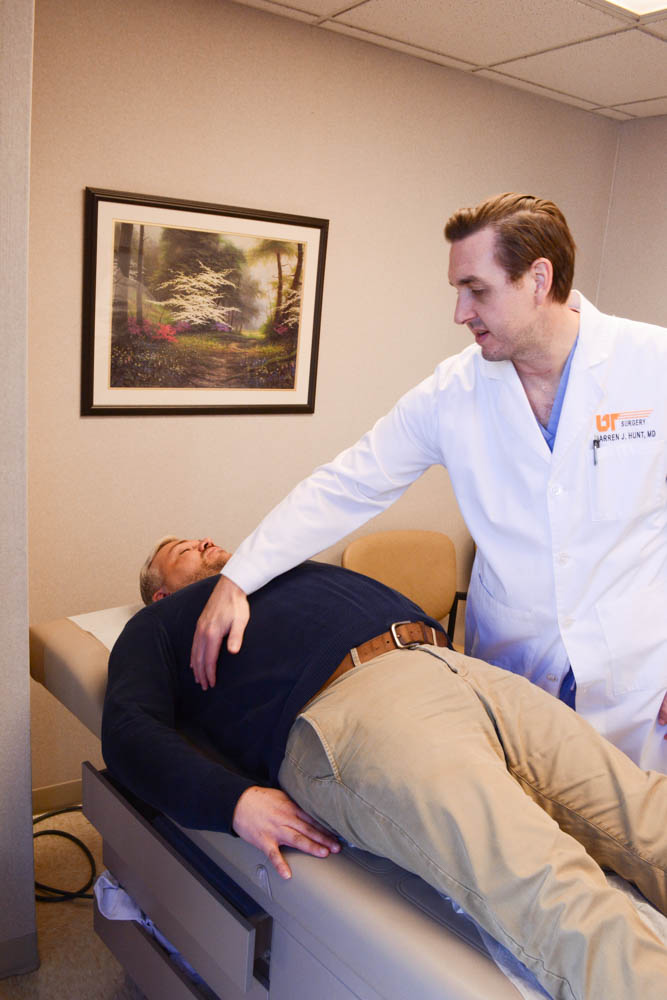
Understanding the Role of Mesh for Hernia Repair
Hernias are often caused by lifting heavy objects – like during exercise or performing manual labor. Other medical issues or activities that may lead to a hernia include straining on the toilet, likely due to constipation, an enlarged prostate, smoking or a persistent cough. If you’re living with the discomfort, pain and heaviness in your abdomen that often goes along with a hernia, safe and effective treatment is available.
The board certified and highly trained surgeons at USA Hernia Center use minimally invasive techniques – including robotic surgery – to treat hernias of all sizes. For people with a large hernia, mesh for hernia repair offers the best long-term outcome and the lowest risk of recurrence. Dr. Jean recommends against surgery for patients who are uncomfortable using surgical mesh to repair their hernia because of the substantially lower chance for success without it.
He also emphasizes that even if you aren’t sure you need surgery to repair a hernia, a consultation with a surgeon can be beneficial. “I don’t want to convince anyone they should have surgery if they don’t want it, but I do want people to know when surgery might be required,” says Dr. Jean. “If you have a severe onset of pain, nausea and vomiting or if the hernia’s size increases quickly, these could be reasons for an emergent hernia repair, and you should go to the ER immediately.”
Request an Appointment With USA Hernia Center
The Hernia Center at University Surgical Associates is one of the largest and most experienced hernia programs in the region, with specialized expertise in treating all forms of hernias to ensure the best outcomes for your surgery. Click here for frequently asked questions about hernia surgery. If you’re ready to meet with one of the best hernia surgeons in Chattanooga, request an appointment by filling out the form below or by calling (423) 267-0466 today.




Leave A Comment